

Scientific name:Codonopsis
English common name: Dangshen
Chinese name: 黨參, 紋黨 (dǎngshēn/dong2 saam1)
What is Dangshen?
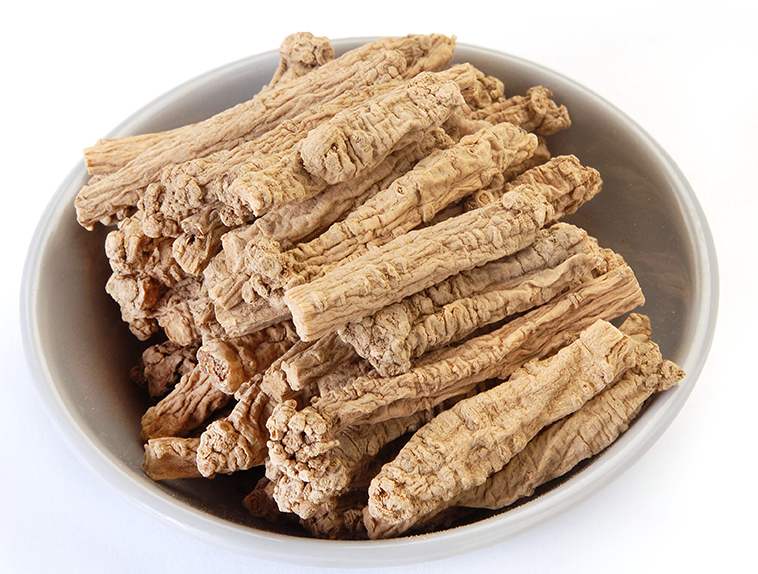
- Dangshen is a dried root.
- It is produced in the Northeast of China, North of China, Northwest of China, Sichuan.
- Cultivating dangshen is a long meticulous process.
- After harvesting in autumn, dangshen is thoroughly cleaned, air dried, and further processed.
What are Dangshen benefits?
- It is used to invigorate the function of the spleen and stomach and to replenish the vital energy for the treatment of palpitation, shortness or breath, weakness of limbs, poor appetite and loose bowel.
- Its pharmacological effects include helping to increase red and white blood cell count, anemia, improve blood sugar, stimulate the nervous system and so on.
How to choose Dangshen
- Alike other herbs, dangshen is categorized by grade levels. The highest quality dangshen will have the thick stem; the thickness and length of the root indicates the years in cultivation.
- The perfect dryness level allows the outer skin to be loose and bendable but possess a firm interior. Color should be yellowish; brown indicates rotting which renders it useless. Naturally oily, and sweet to taste, upon chewing dangshen no fibrous residue is preferred.
Differences between the Dangshen and Ginseng
Commonalities between properties of ginseng and dangshen are their restorative properties of the lungs, blood, and qi/energy. Some uses of dangshen are: fighting of HIV infection, protection against radiation side effects in cancer treatment, reduce thirst, help ease cough, blood deficiency, qi deficiency, asthma and other conditions. Dangshen taste is sweeter, its uses fall short of ginseng, medicinal properties weaker, traditionally used to regulate light ailments and slow advancing diseases and disorders. Can increase dose of dangshen to improve results. However, for more severe ailments, the use of ginseng is recommended.
For proper use and dosage, consult your TCM doctor.